
%20in%20Sales%20(1)%20(1).png)
Understanding Management by Objectives (MBO) in Sales
In today’s competitive business environment, sales teams need more than just enthusiasm and product knowledge; they need direction, focus, and measurable goals. This is where Management by Objectives (MBO) comes into play.
MBO isn’t just another management buzzword; it’s a proven approach that helps organizations align their goals with individual performance. By setting clear, achievable objectives, MBO transforms how sales teams operate, helping them stay focused on what truly matters, driving results. But what exactly is MBO, and how can it revolutionize your sales strategy? Let’s explore in depth.

.png)
What Is Incentive Pay & Different Types of Incentive Pay Programs
In today’s competitive business environment, companies are constantly looking for ways to attract, retain, and motivate talented employees. One of the most effective methods to achieve this is through incentive pay since it is a compensation strategy that directly rewards performance and achievement.
Unlike a fixed salary, incentive pay links employee effort to tangible rewards, making it a powerful motivator and performance driver. Let’s explore what incentive pay really means, how it’s calculated, its key types, and how it differs from traditional bonuses.

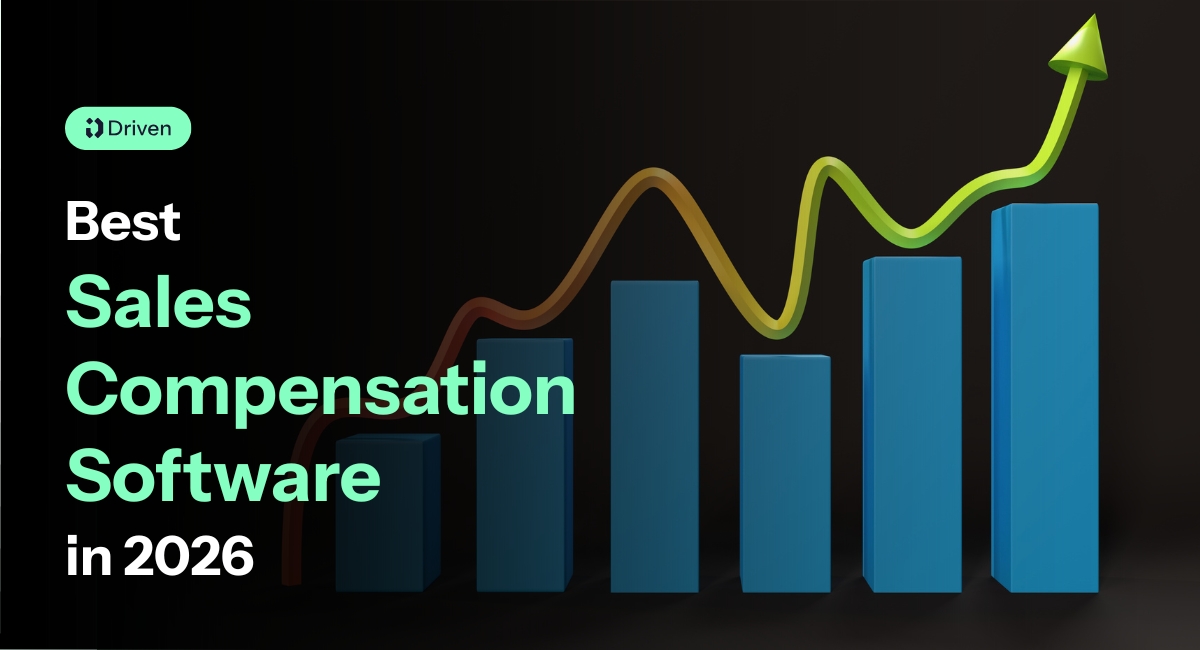
Best Sales Compensation Software in 2026
Sales compensation software has moved far beyond spreadsheets and manual commission tables that are prone to errors, delays, and confusion. Modern compensation platforms now help businesses design fair and motivating compensation plans, automate even the most complex commission calculations, accurately forecast payout costs, and improve transparency across the entire sales organization. By providing real-time visibility into earnings and performance, these tools keep sales teams motivated while helping finance leaders maintain control over budgets and revenue planning. In a world where sales velocity, scalability, and revenue predictability matter more than ever, choosing the right sales compensation software can truly transform how your revenue organization operates and grows.
In this guide, we review the best sales compensation software available today, compare their key features, pricing models, and ideal use cases, and help you confidently choose the platform that best fits your business goals.
.png)
.jpg)
What is a SPIF and how does it work?
In today’s competitive business landscape, keeping sales teams motivated and driving performance is crucial. One highly effective short-term strategy companies use is a SPIF (Sales Performance Incentive Fund). SPIFs are designed to reward sales reps for achieving specific goals within a set timeframe, boosting focus and productivity.
Unlike regular commissions, they offer immediate incentives for targeted actions, such as selling a new product or hitting a revenue milestone. In this blog, we’ll break down what SPIFs are, how they work, their benefits, different types, and best practices for running successful programs. We’ll also answer the most common questions sales managers and reps have to help you implement SPIFs effectively.
%20and%20Why%20It%20Matters%20(1).jpg)
What Sales Performance Management (SPM) Is and Why It Matters
In today’s competitive business environment, achieving consistent sales growth is a challenge. Organizations often face real challenges when it comes to keeping sales teams motivated, tracking performance accurately, and making sure everyone’s efforts support the company’s bigger goals. Sales Performance Management (SPM) helps bring clarity to all of this. Instead of just offering tools, SPM provides a structured, fair way to evaluate performance, reward the right people, and strengthen the entire sales process so revenue grows consistently.
In this blog, we’ll explore what SPM is, why it matters, its core functions, the benefits it brings, the risks of operating without it, and how to choose the right SPM solution for your business.
%20(1).png)
The Hidden Costs of Manual Commission Tracking (And How to Fix Them)
If youʼve ever tracked commissions in a spreadsheet, you know how messy it can get, late nights fixing formulas, endless back-and-forth with sales reps, and disputes that eat into everyoneʼs time. What feels “cheap and easyˮ at first quickly turns into a drain on productivity and trust. On top of that, most salespeople donʼt fully understand their complex compensation plans when theyʼre buried in Excel formulas, which only adds to the confusion. Automated sales compensation software solves both problems: it not only removes errors but also clarifies commission plans so reps know exactly how theyʼre being paid.
And the numbers back this up: studies show that nearly 9 out of 10 spreadsheets contain errors. For something as critical as sales compensation, even a small mistake can cost thousands of dollars, spark disputes, and leave reps questioning their pay. The reality is simple: manual commission tracking isnʼt just inconvenient, itʼs costly. In this blog, weʼll uncover those hidden costs, compare manual vs automated commission tracking, and explore how automation transforms commission management from a constant headache into a driver of growth and transparency.